Department of Nursing | School of Health & Applied Science | Lincoln University College
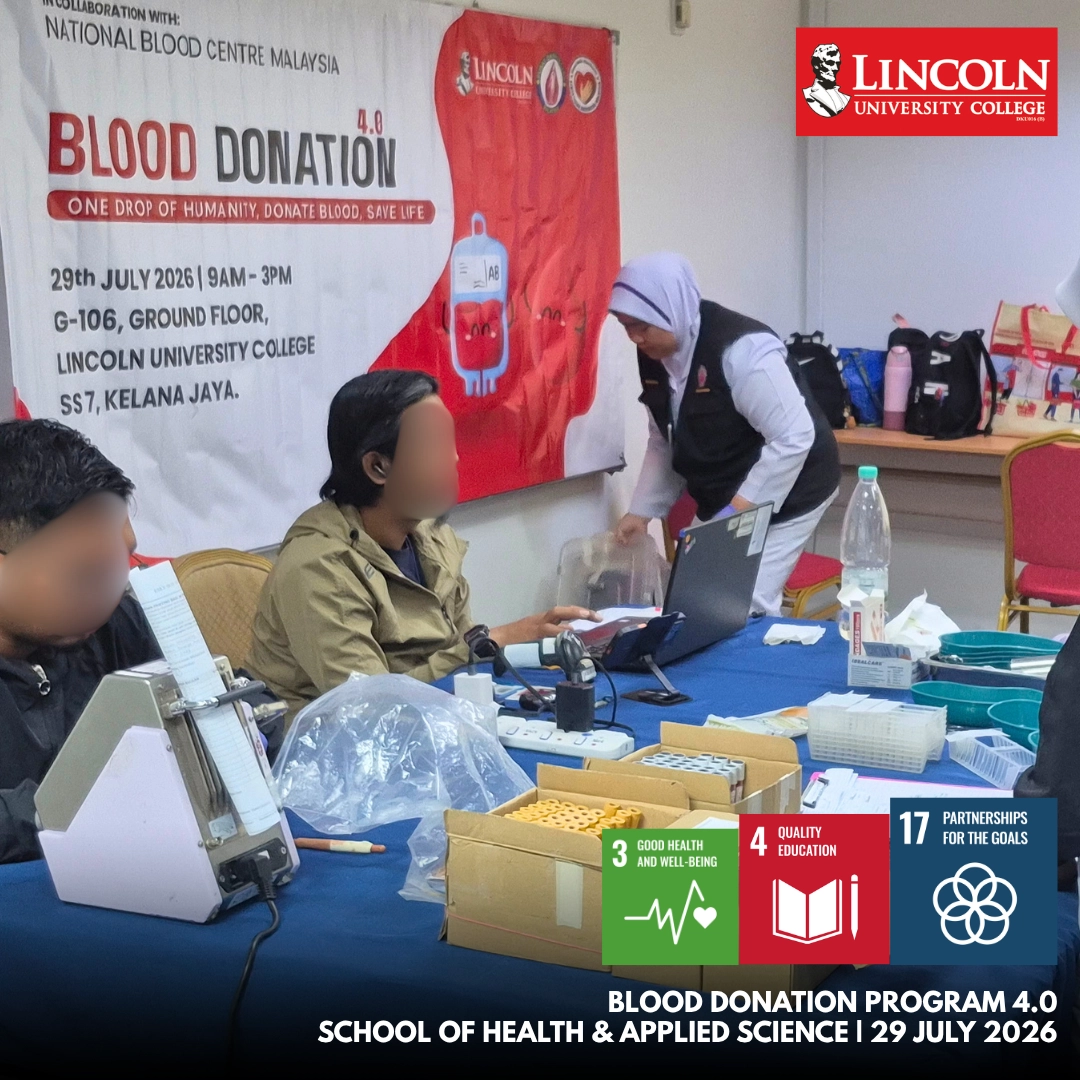
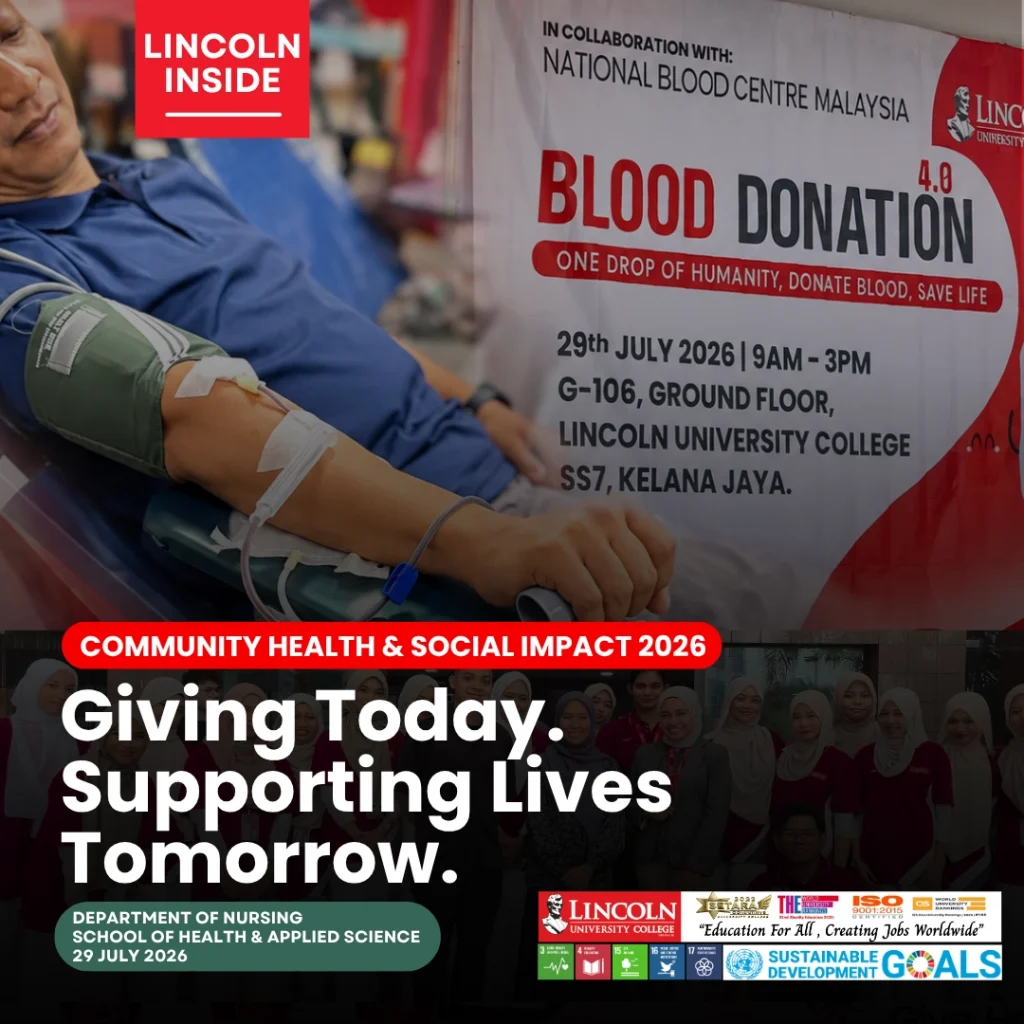
29 July 2026 | G-106, Ground Level, MAS Campus, Lincoln University College
66 Units Collected. 150 People Registered. One Community United to Give.
Blood donation is more than a medical procedure. It is an act of community responsibility that can make a meaningful difference to patients who depend on a safe and adequate blood supply.
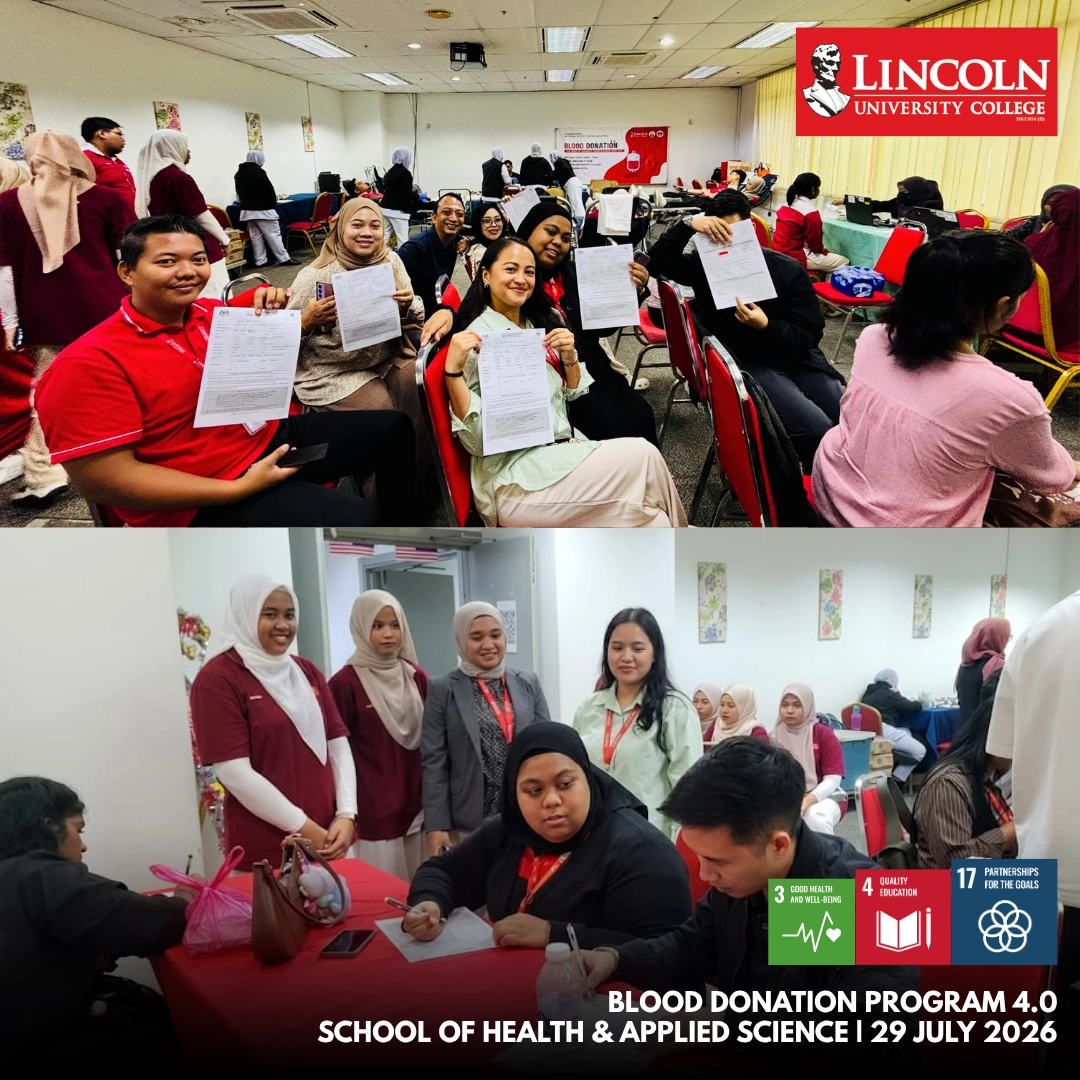
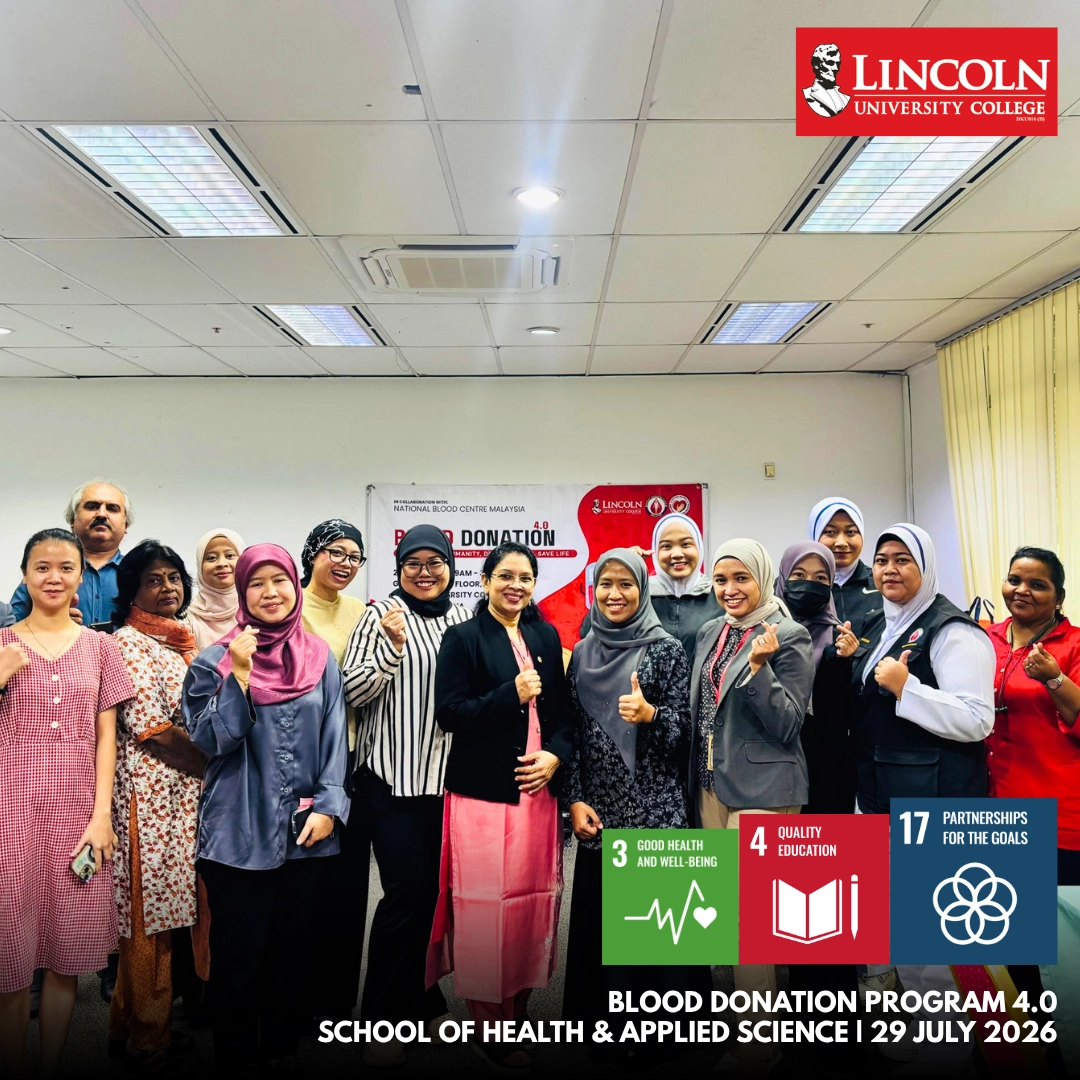
On 29 July 2026, the Department of Nursing, School of Health & Applied Science, Lincoln University College, successfully conducted Blood Donation Program 4.0 in collaboration with the National Blood Centre.
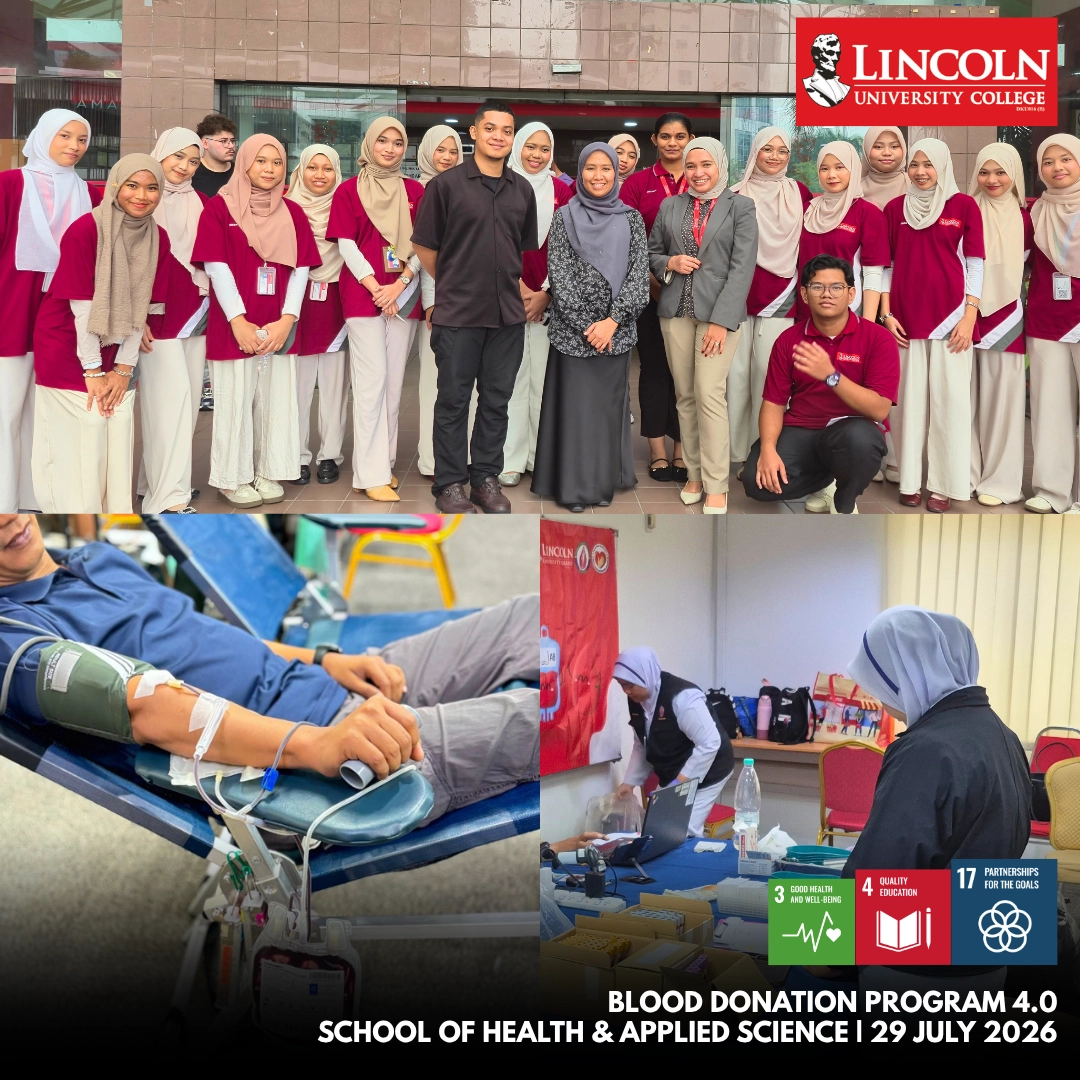
Led and organised by Diploma in Nursing Batch 2505 students as part of their Hematopoietic Nursing subject and MPU Creative Problem-Solving assignment, the programme brought together students, staff and members of the public in support of voluntary blood donation.
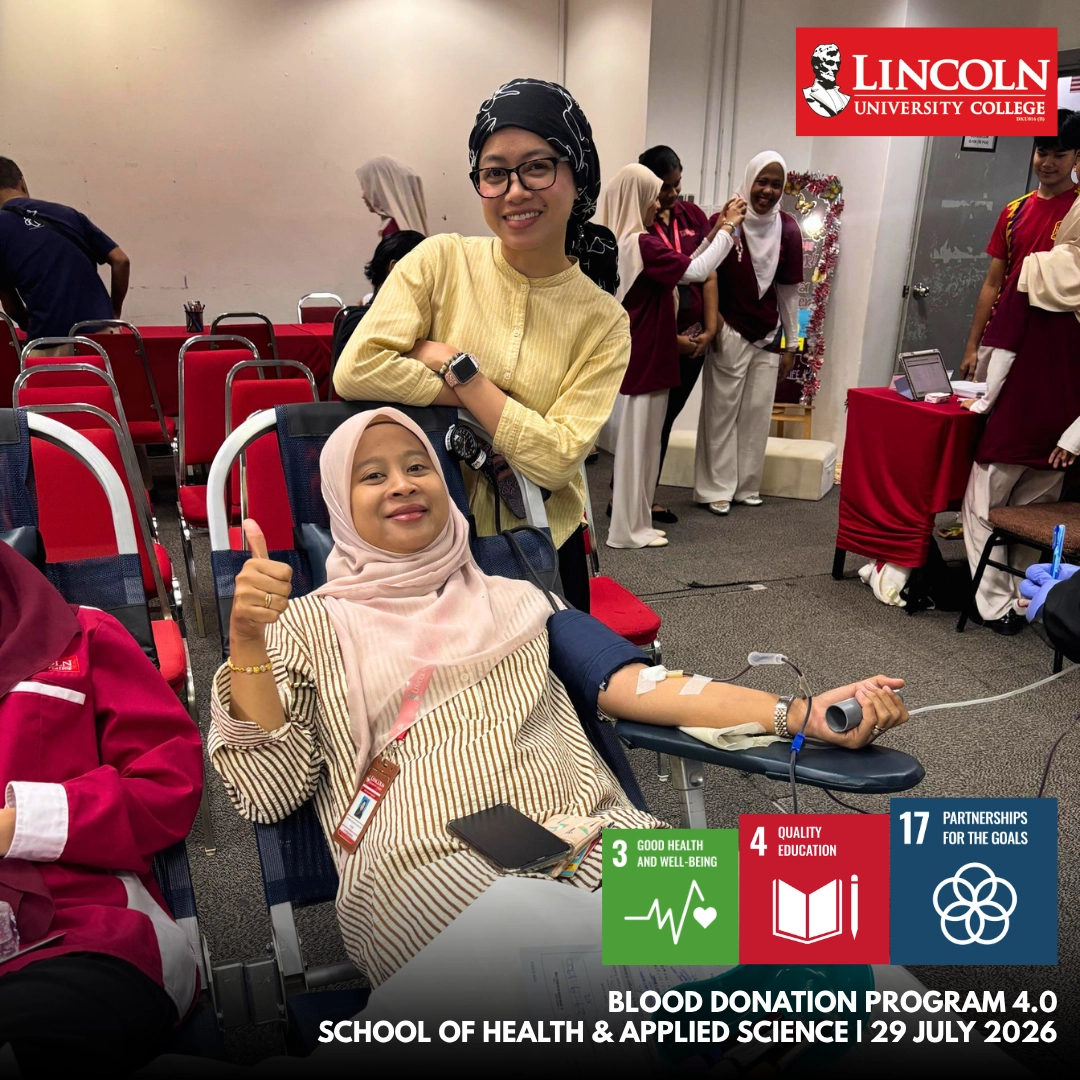
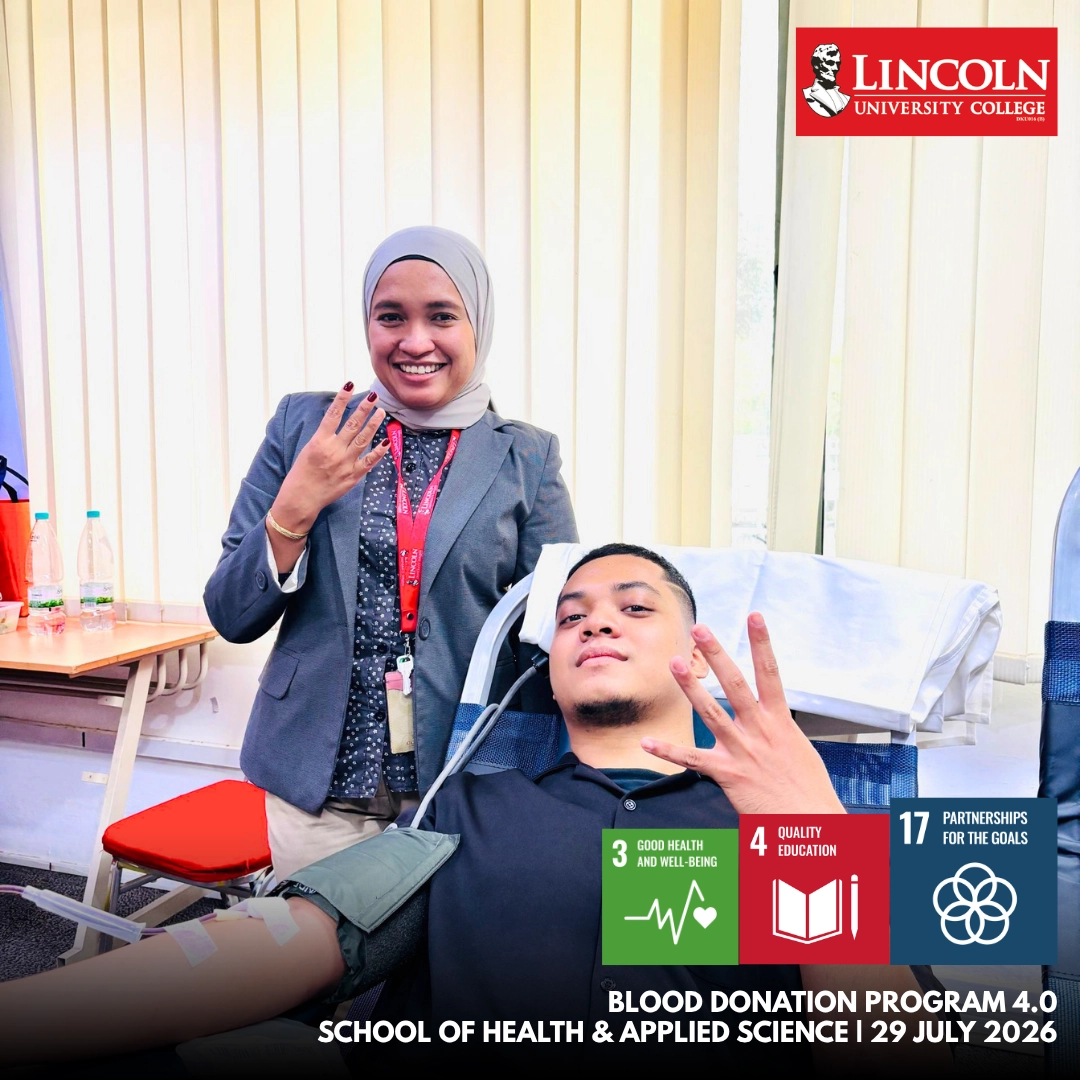
The programme recorded 150 registrations, with 114 participants attending. Following health screening and eligibility assessment, 66 successful donors contributed a total of 66 units of blood to support the National Blood Centre’s efforts to maintain an adequate blood supply.
A STUDENT-LED INITIATIVE WITH REAL COMMUNITY IMPACT
What made Blood Donation Program 4.0 particularly meaningful was the active role played by the nursing students themselves.
From registration and facilities management to marketing, certificates and event coordination, the programme was organised through a dedicated student committee. This provided students with an opportunity to take their classroom learning beyond the academic environment and apply their knowledge, teamwork and problem-solving skills to a real community health initiative.
The programme also included blood pressure and haemoglobin screening, allowing potential donors to gain greater awareness of their health status while ensuring that donation was carried out safely.
WHEN EDUCATION BECOMES SERVICE
The programme demonstrated how healthcare education can extend beyond the classroom.
Through direct involvement in planning and implementing the blood donation drive, students experienced the importance of communication, coordination, health awareness, teamwork and community responsibility.
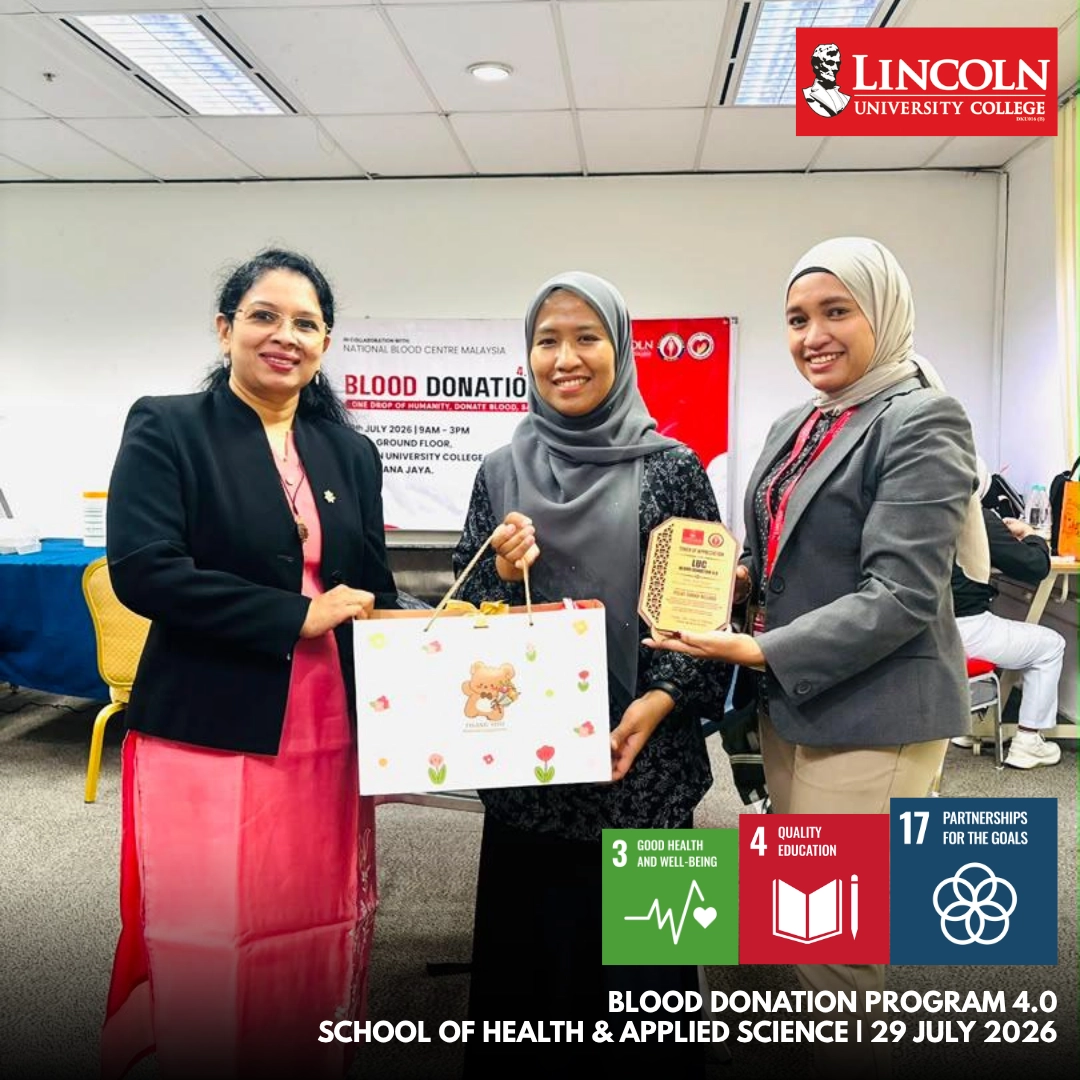
The collaboration with the National Blood Centre further strengthened the programme by bringing professional healthcare personnel and appropriate blood donation facilities into the learning environment. Six donation beds were provided to support the implementation of the programme.
SDG & SUSTAINABILITY ALIGNMENT
SDG 3 — GOOD HEALTH AND WELL-BEING
Primary Alignment
The programme directly contributed to community health by encouraging voluntary blood donation and supporting the availability of blood for patients requiring transfusion and medical treatment.
Impact:
- 150 registered participants
- 114 participants attended
- 66 eligible donors
- 66 units of blood collected
- Health screening provided to participants
This is the strongest SDG alignment for the event and fits particularly well with the Health & Wellbeing dimension of QS Sustainability’s social-impact framework, which considers institutional contributions to health and wellbeing.
SDG 4 — QUALITY EDUCATION
The programme transformed academic learning into practical experience. Nursing students applied subject knowledge, creative problem-solving, teamwork, communication and event-management skills while contributing to a real community health initiative.
This provides a documented example of experiential and socially relevant learning, supporting the broader QS Sustainability focus on the societal impact of education.
SDG 17 — PARTNERSHIPS FOR THE GOALS
The programme was conducted in collaboration with the National Blood Centre, demonstrating cooperation between a higher education institution, healthcare professionals and the wider community.
Such institutional collaboration supports the knowledge exchange and community engagement dimension recognised within QS Sustainability’s social-impact framework.
A CULTURE OF GIVING
The programme also highlighted an important aspect of healthcare education at Lincoln University College: developing students who understand that healthcare is not limited to clinical practice.
It is also about service, responsibility, compassion and community engagement.
The successful collection of 66 units demonstrates the immediate contribution generated by the programme, while the student-led structure demonstrates how academic learning can be connected to meaningful social impact.
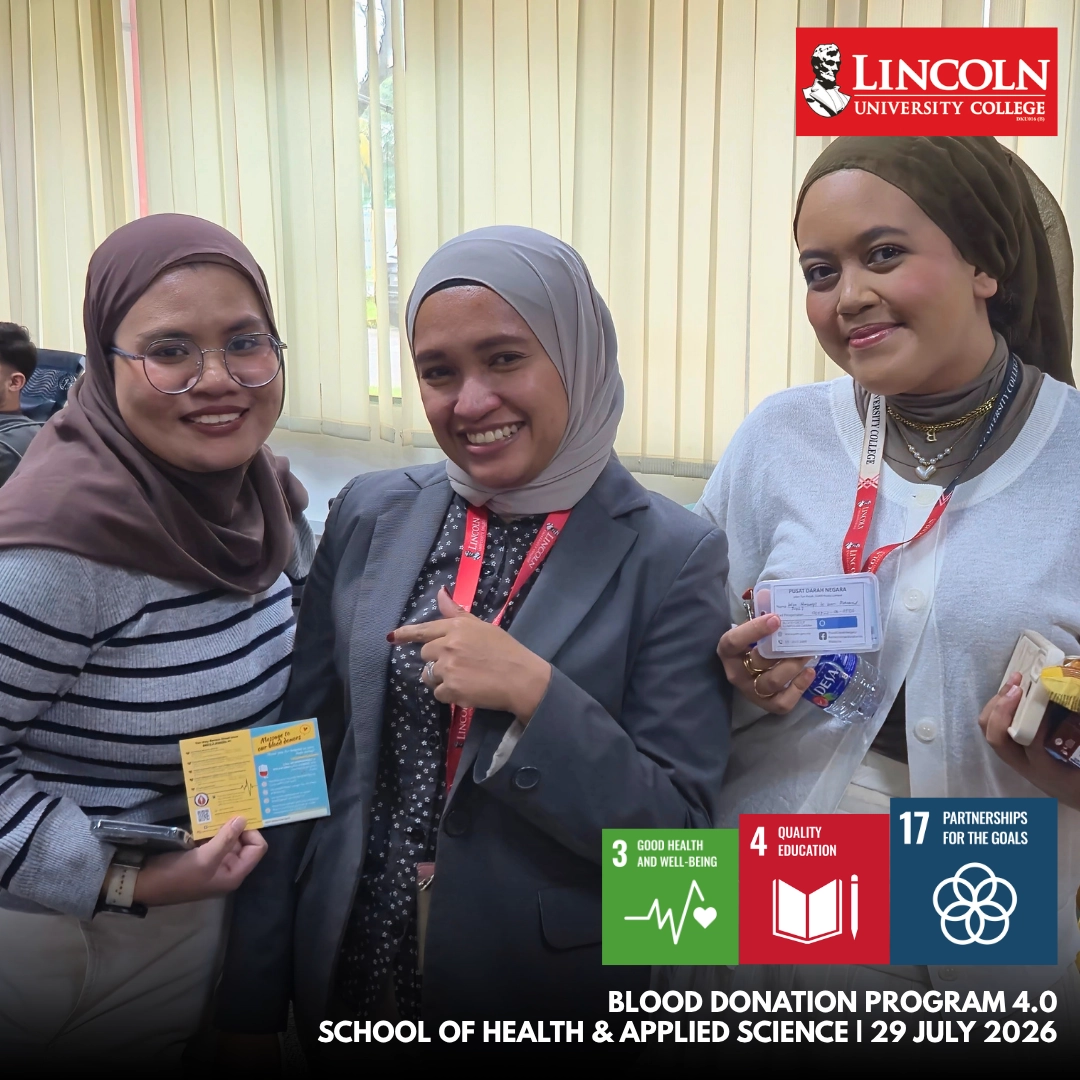
The Department of Nursing extends its appreciation to the National Blood Centre, healthcare personnel, student organisers, volunteers, donors, staff and members of the community who contributed to the success of Blood Donation Program 4.0.
Giving blood takes minutes. Its impact can last much longer.